
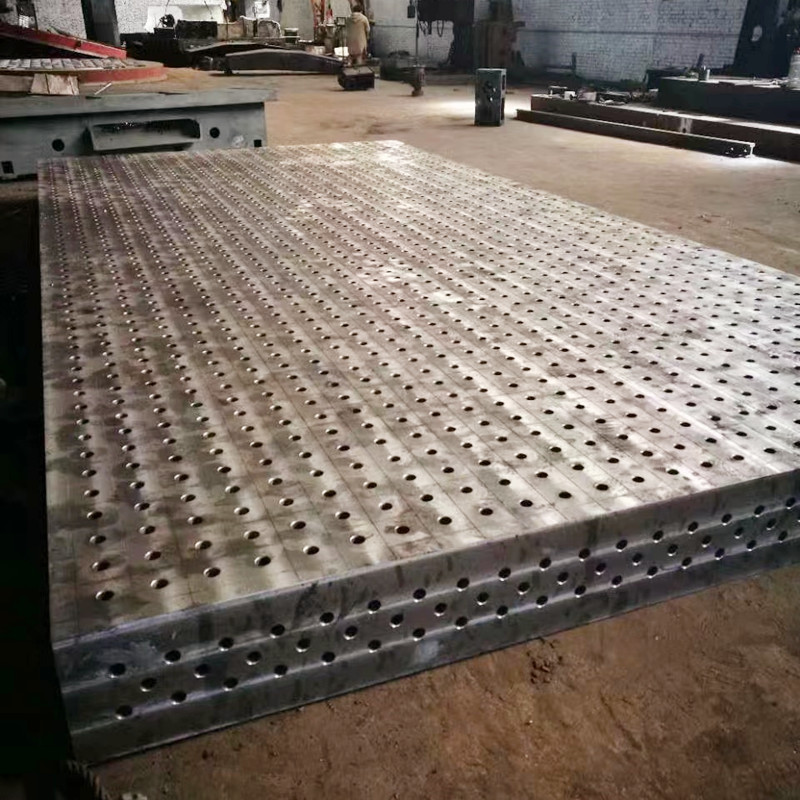
toughened glass 5mm price
Understanding One-Way Check Valves Functionality and Applications One-way check valves are crucial components in various fluid systems, utilized across numerous industries including water treatment, oil and gas, chemical processing, and HVAC systems. These valves allow fluid to flow in one direction while preventing backflow, thereby ensuring the efficiency and safety of fluid transfer processes. What is a One-Way Check Valve? A one-way check valve is a simple yet effective device that automatically prevents the reverse flow of liquids or gases. The design typically includes a valve body, a disc or ball that acts as the closure mechanism, and a seat against which the disc or ball seals when backflow occurs. This mechanism is key in various applications where maintaining the direction of fluid flow is vital for operational stability and system integrity. How Do One-Way Check Valves Work? The primary operation principle of a one-way check valve is based on fluid pressure. When the upstream pressure (the pressure in the system pushing the fluid towards the valve) exceeds the downstream pressure (the pressure on the opposite side of the valve), the valve opens, allowing fluid to flow through. Conversely, when the downstream pressure exceeds the upstream pressure, the valve closes, preventing any fluid from flowing back into the system. This automatic response ensures that the flow direction is maintained, which is essential for preventing damage to equipment and maintaining system efficiency. Types of One-Way Check Valves There are several types of one-way check valves, each suited for specific applications 1. Ball Check Valve This design features a spherical closure element that moves up and down to allow or block flow. It is used in applications requiring tight sealing and minimal leakage. 2. Swing Check Valve Utilized in larger systems, its armature swings on a hinge to allow fluid flow . This type offers a simple and effective solution for many drainage and sewer systems. one way check valve 3. Lift Check Valve This valve design incorporates a disc that lifts off the seat as fluid passes through. It is commonly used in high-pressure applications. 4. Diaphragm Check Valve This features a flexible diaphragm that opens and closes in response to fluid pressure changes, suitable for gases and corrosive fluids. Applications of One-Way Check Valves One-way check valves are widely used in several applications - Water Supply Systems To prevent backflow, maintaining water quality by ensuring that contaminated water doesn’t enter the clean water supply. - Pumping Stations To prevent reverse flow when pumps are turned off, protecting equipment and maintaining system pressure. - Chemical Processing In processing plants, to ensure that chemicals only flow in one direction, preventing cross-contamination of substances. - HVAC Systems Utilized in heating systems to ensure that heated water flows in the correct direction, optimizing energy efficiency and system performance. Benefits of Using One-Way Check Valves The use of one-way check valves offers numerous benefits - Prevent Backflow They ensure that system integrity is maintained, protecting pumps, compressors, and other equipment from damage due to reverse flow. - Simple Design Their uncomplicated design allows for easy installation and maintenance. - Durability Made from robust materials, they can withstand high pressures and various fluids, contributing to a longer lifespan of the system. - Cost-Effective By preventing backflow and protecting equipment, check valves can reduce maintenance costs and extend the operational lifespan of system components. Conclusion In summary, one-way check valves are essential components in fluid handling systems, providing reliable performance and protection against backflow. With various designs suited for different applications, they are indispensable in maintaining the integrity and efficiency of diverse industrial processes. Understanding the functionality and application of these valves allows engineers and technicians to make informed decisions, ensuring reliable and safe operation across various fluid systems. As industries continue to evolve, the role of one-way check valves remains significant in promoting efficiency and safety in fluid management.
about
toughened glass 5mm price
Types of Control Valves and Their Applications Control valves are essential components in various industrial processes, regulating the flow, pressure, temperature, and levels of fluids. Their functionality significantly influences the efficiency and safety of operations in industries such as oil and gas, water treatment, chemical manufacturing, and HVAC systems. Understanding the various types of control valves and their applications helps engineers select the appropriate valve for specific operational needs. 1. Globe Valves Globe valves are one of the most commonly used types of control valves. They consist of a movable disk or plug and a stationary ring seat in a generally spherical body. Globe valves are designed to provide good throttling and flow regulation capabilities. Their primary applications include steam, fuel oil, and water services. Due to their design, they are well-suited for applications where precise flow control is crucial. 2. Ball Valves Ball valves utilize a spherical disc to control fluid flow. The valve can be opened or closed with a quarter turn of the handle. Although they are better suited for on/off service than for throttling, there are specialized ball valves designed for flow regulation. Ball valves are widely used in water distribution, natural gas services, and in applications requiring fast shut-off capabilities due to their durable construction and reliability. 3. Butterfly Valves Butterfly valves consist of a circular disc mounted on a shaft. When the shaft rotates, the disc either allows or blocks flow. These valves are lightweight and compact, making them an excellent choice for large volume applications. They are suitable for water treatment plants, ships, and chemical processing. Butterfly valves offer quick opening and closing and are ideal for isolation and throttling service. types of control valves and their applications 4. Check Valves Check valves, or non-return valves, allow fluid to flow in one direction while preventing backflow. They rely on the fluid's pressure to operate and are commonly found in plumbing systems, wastewater treatment, and other applications where backflow could lead to system failures. Though they are not inherently control valves, they play a crucial role in maintaining system integrity. 5. Pressure Relief Valves Pressure relief valves are specialized control valves designed to release excess pressure from a system. They automatically open at a predetermined pressure to protect equipment from damage. These valves are critical in applications involving steam boilers, storage tanks, and chemical processes, ensuring safety and compliance with regulatory standards. 6. Solenoid Valves Solenoid valves are electromechanically operated valves used to control fluid flow. They rely on electromechanical solenoids to open or close the valve. Solenoid valves are particularly useful in automated processes, such as those found in car wash systems, irrigation controls, and chemical dispensing. Their quick response time makes them ideal for applications requiring precise and responsive flow control. Conclusion In summary, understanding the different types of control valves—globe, ball, butterfly, check, pressure relief, and solenoid—is essential for optimizing industrial applications. Each valve type has its own unique advantages and ideal usage scenarios. Selecting the right valve can greatly enhance operational efficiency, safety, and reliability in fluid handling processes. As industries continue to evolve, the advancements in control valve technology promise to provide even more effective solutions for complex control challenges.
-

High quality industrial productsagement

High quality industrial products
View Details -

Meet the diverse needs of customers

Meet the diverse needs of customers
View Details -

Strict quality control

Strict quality control
View Details -

Top raw materials

Top raw materials
View Details -

Trusted supplier

Trusted supplier
View Details
Our application


news and information
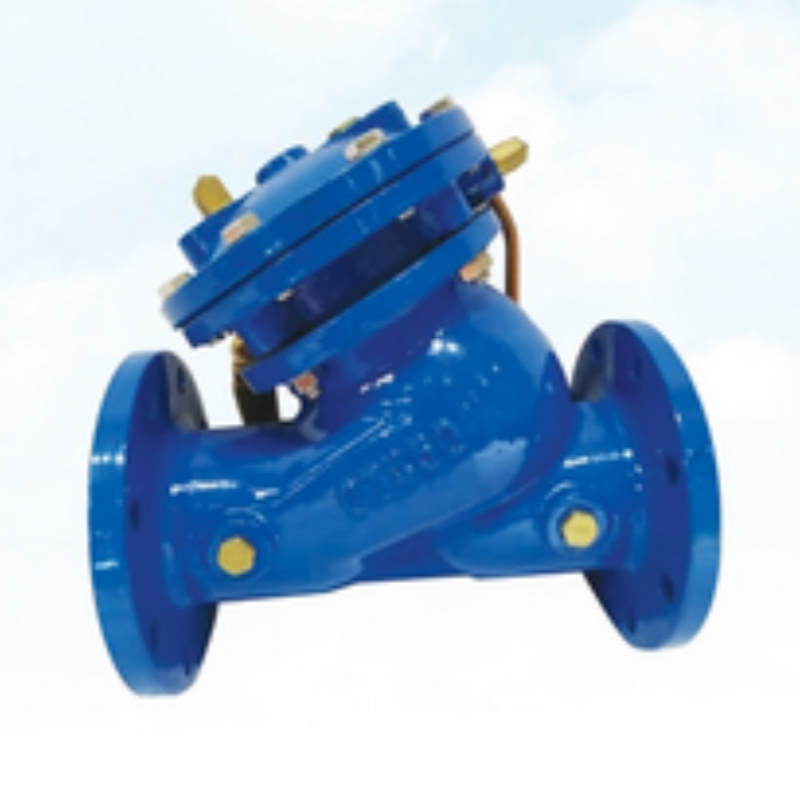
Wholesale Supply for Valves and Fittings Solutions in Industrial Applications
The Dynamics of Valve Wholesale A Comprehensive Overview In the industrial sector, valves play a cru
Valve Selection Guide_ Differences and Applications of Gate Valves and Globe Valves
When navigating the world of industrial valves, understanding the nuances between various types can

Water valve issues preventing proper shut off and causing leaks in the system
Troubleshooting a Water Valve That Won't Shut Off Dealing with plumbing issues can be a homeowner's
 English